Weeds and their roots die at over 100°C. No chemicals.
Our custom 400,000 BTU saturated-steam unit kills weeds and their roots with superheated water vapour — nothing applied to your property but steam. It is safe for kids, pets, and pollinators the moment the surface cools, and effective in the joints, beds, and edges where nothing else works cleanly.
Wilting in minutes. Dead in days.
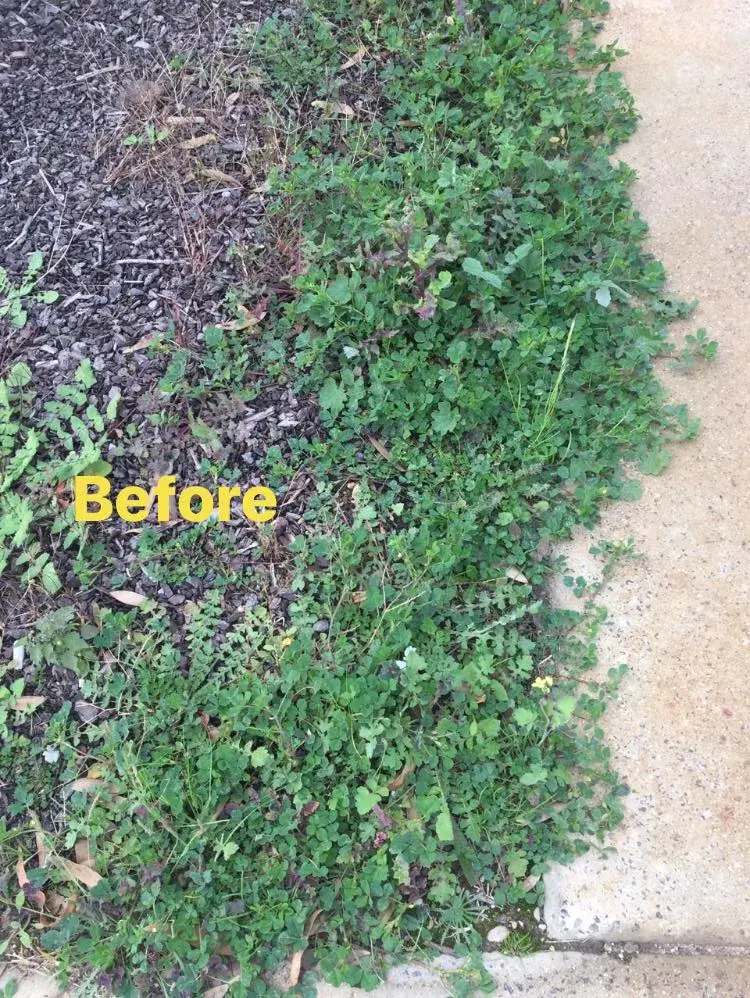
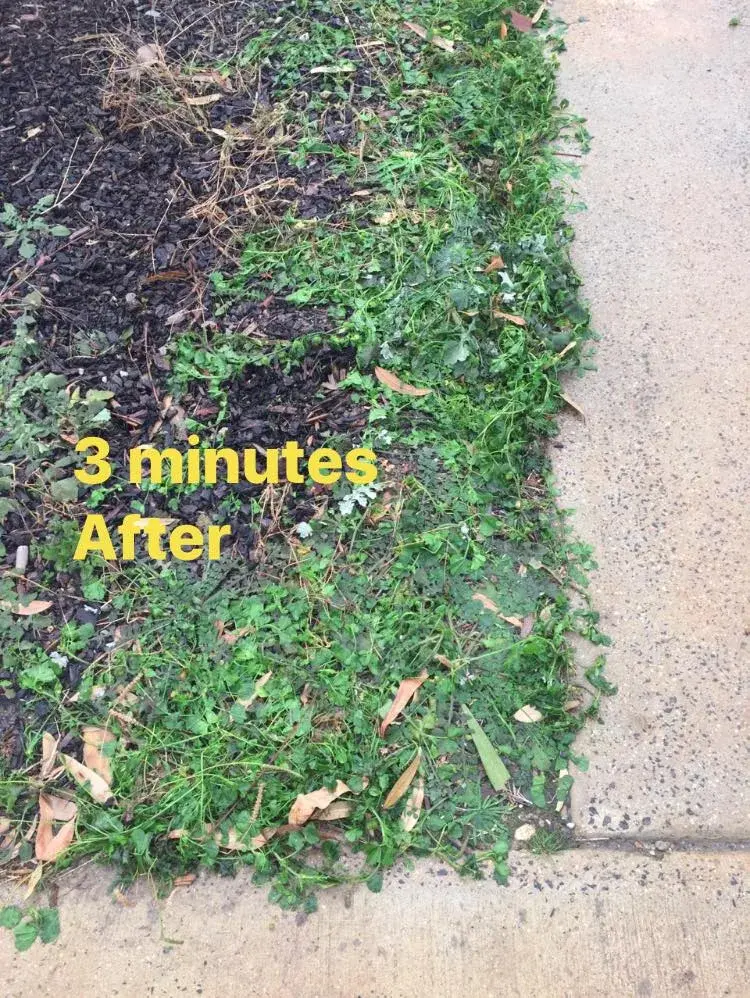
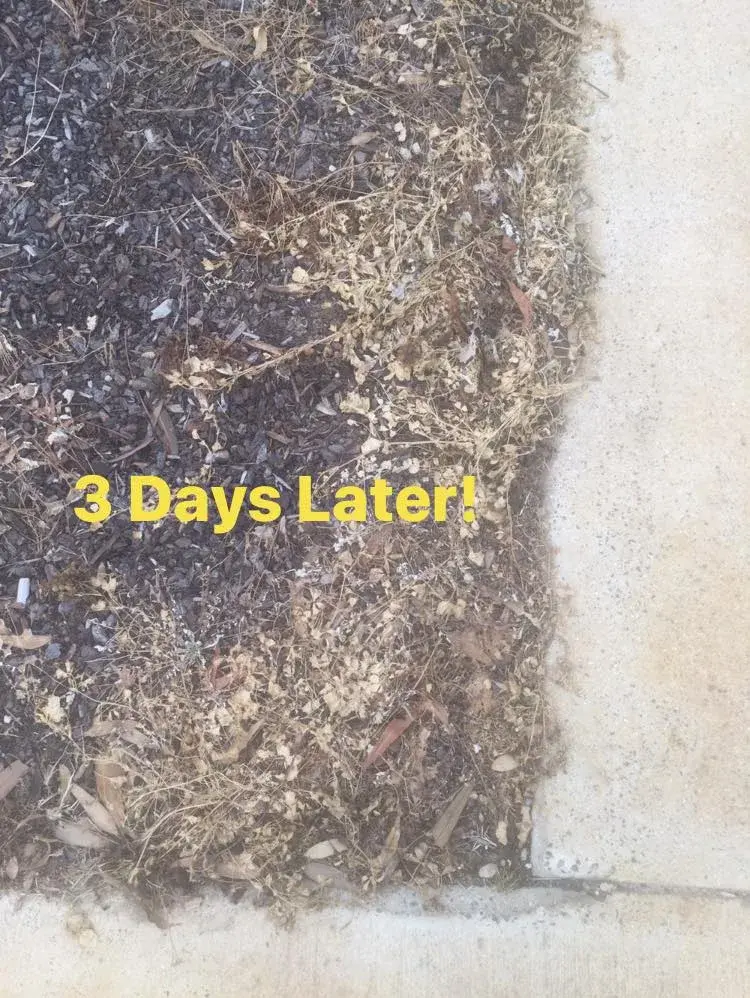
Same spot, one treatment. Saturated steam penetrates the plant and collapses it from the leaf down through the root crown — which is why the weed browns off instead of bouncing back the way it does after trimming or spraying.
Railway researchers in Japan put a number on that difference. Comparing steamed track against mown track a year later, they counted about 70% fewer large weeds where steam had been used — 25 plants per square metre against 89. Their explanation is the one that matters in a paver joint: mowing passes over the sprouts sitting at ground level, while steam reaches them.Tanigawa, Ushiogi, Ikehata & Nakamura, Quarterly Report of RTRI 66(2), 2025.
A whole driveway, joint by joint.
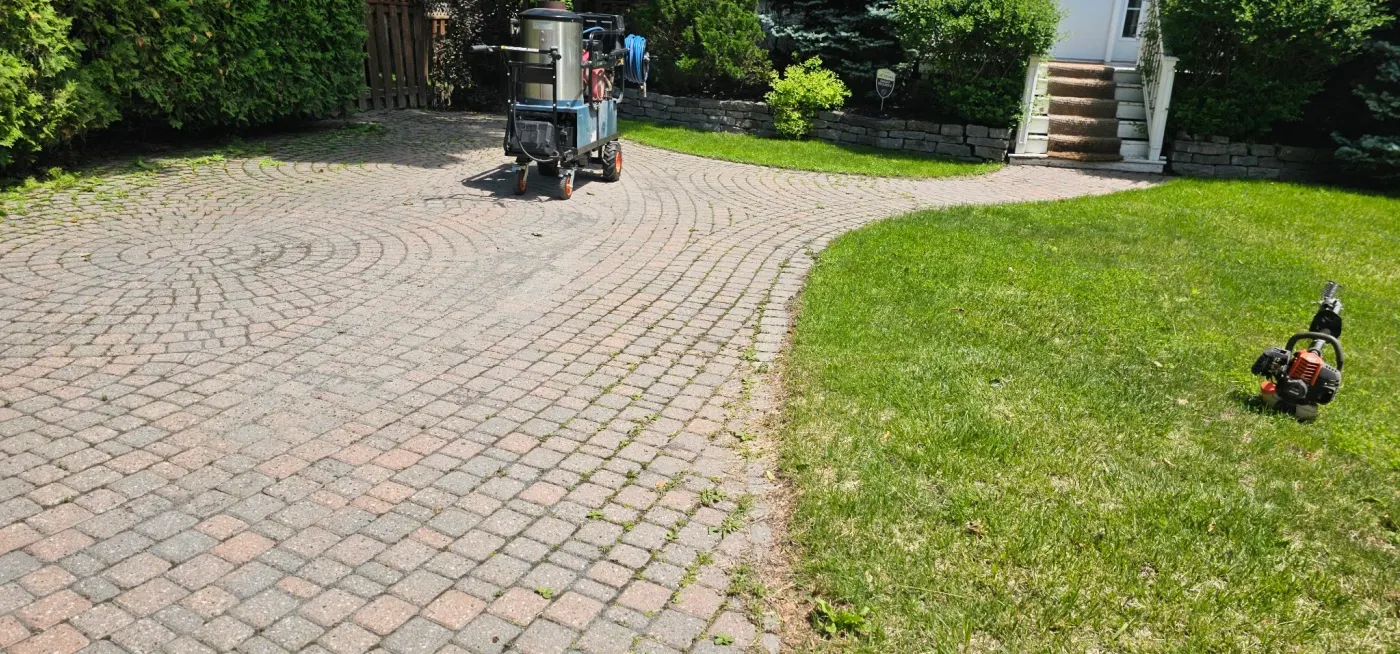
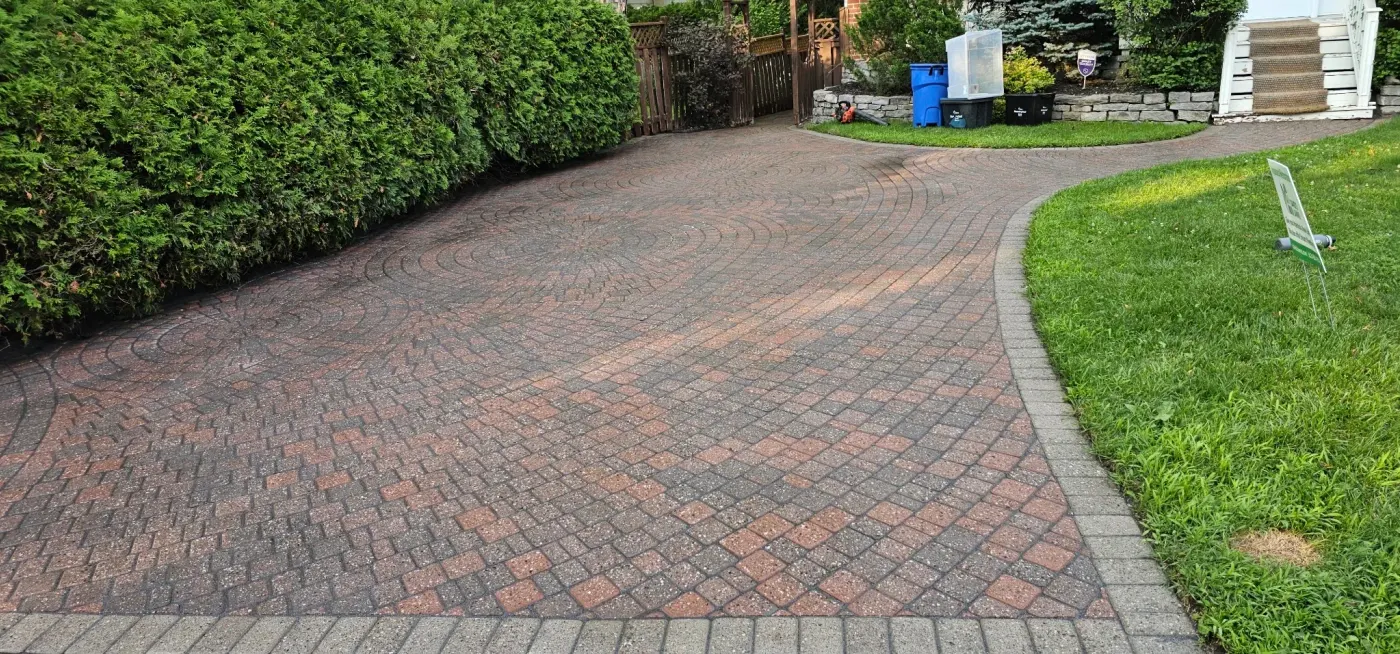
On interlock, steam is one stage of the fix: weeds and roots die in the joints, and a restoration then rebuilds those joints with compacted polymeric sand so the next seed has nowhere to root.
Four places where steam is the right tool.
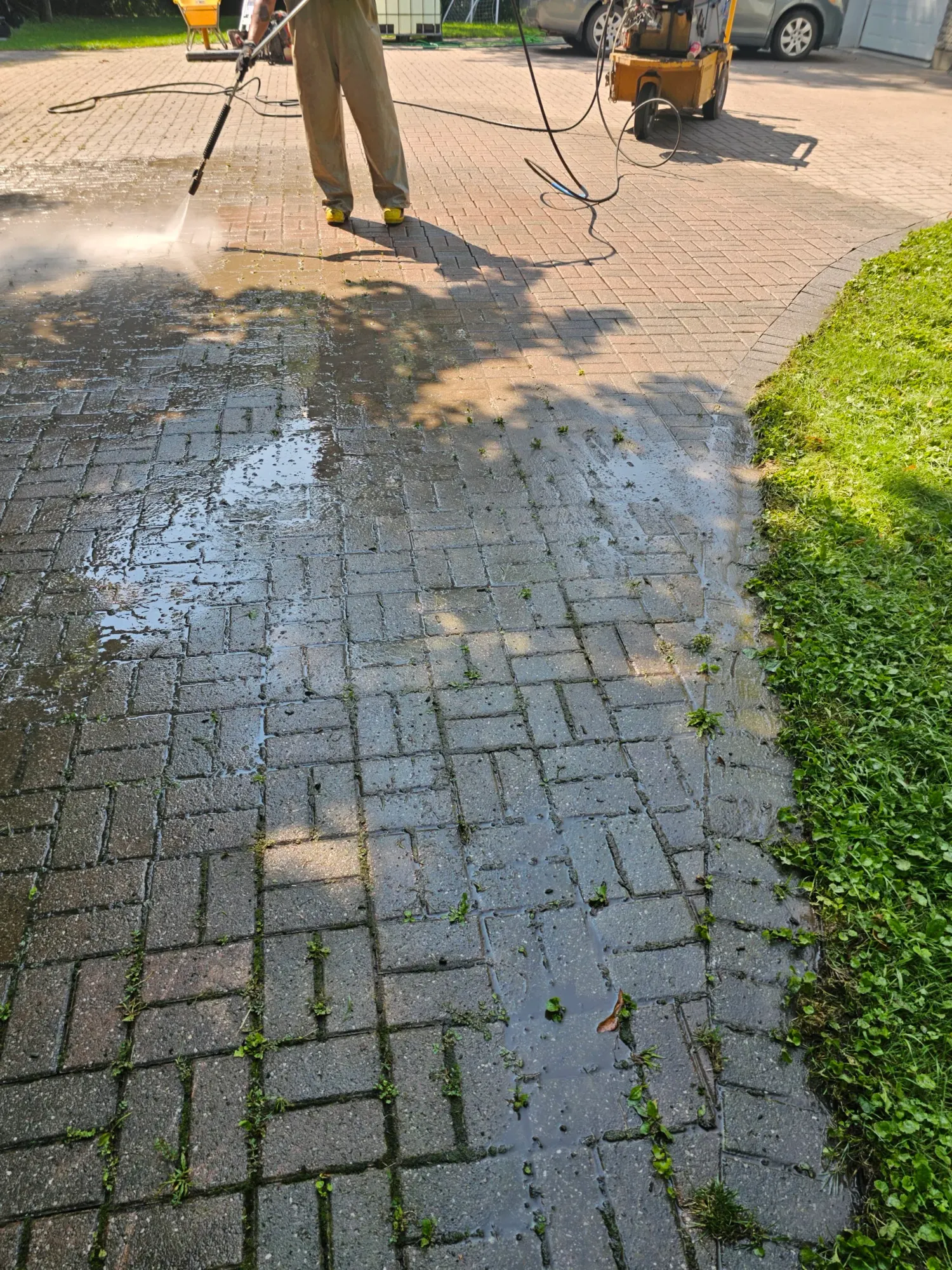
Interlock joints, patios & driveways →
Joint weeds cooked in place before restoration work begins. Steam does the killing; the re-sanded, compacted joint afterwards is what denies the next generation a place to root.
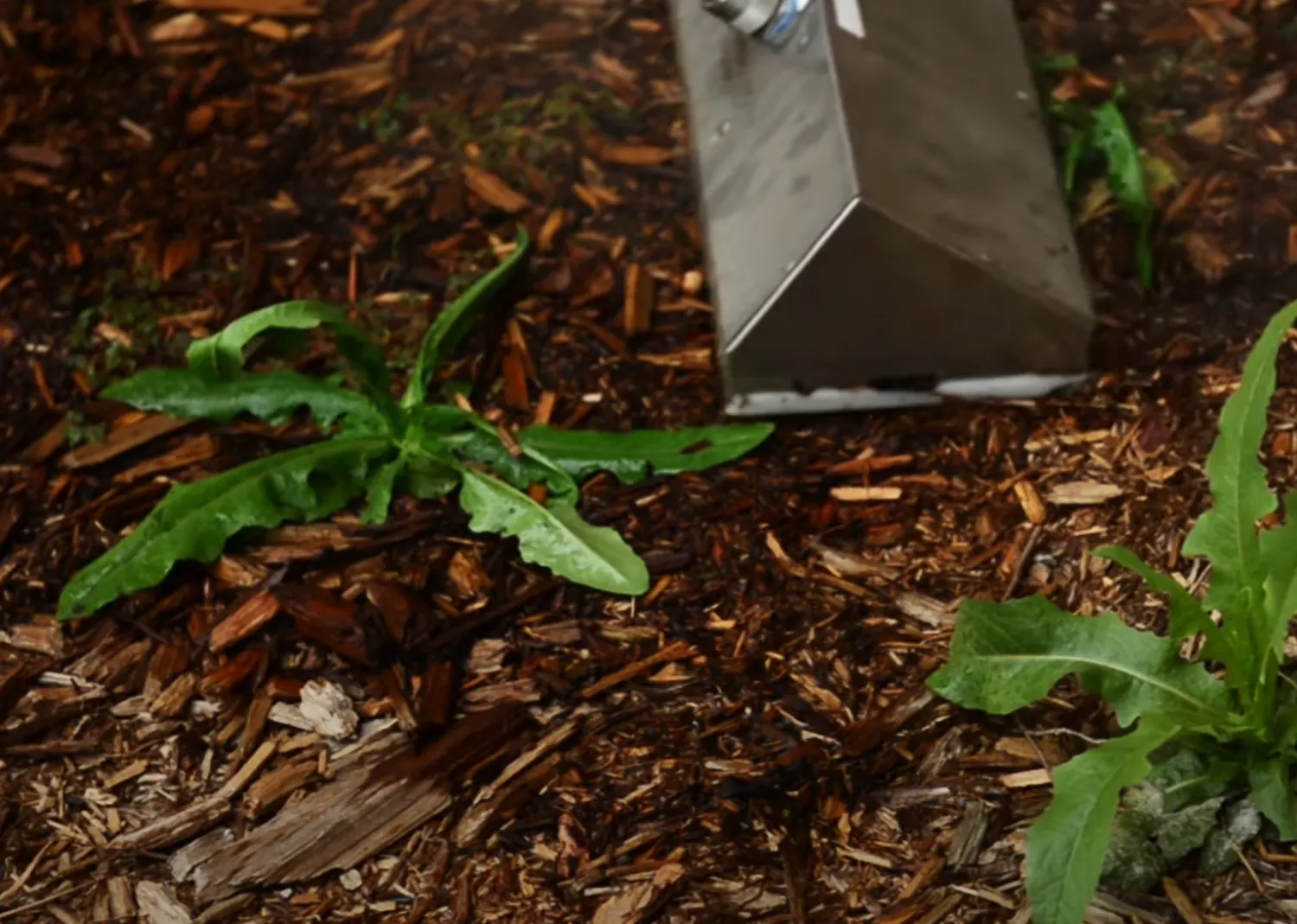
Garden beds & mulched areas →
Weeds wilt within minutes and brown off over days — without disturbing the mulch, the soil, or the plants you want to keep. No spray drift, because there is no spray.
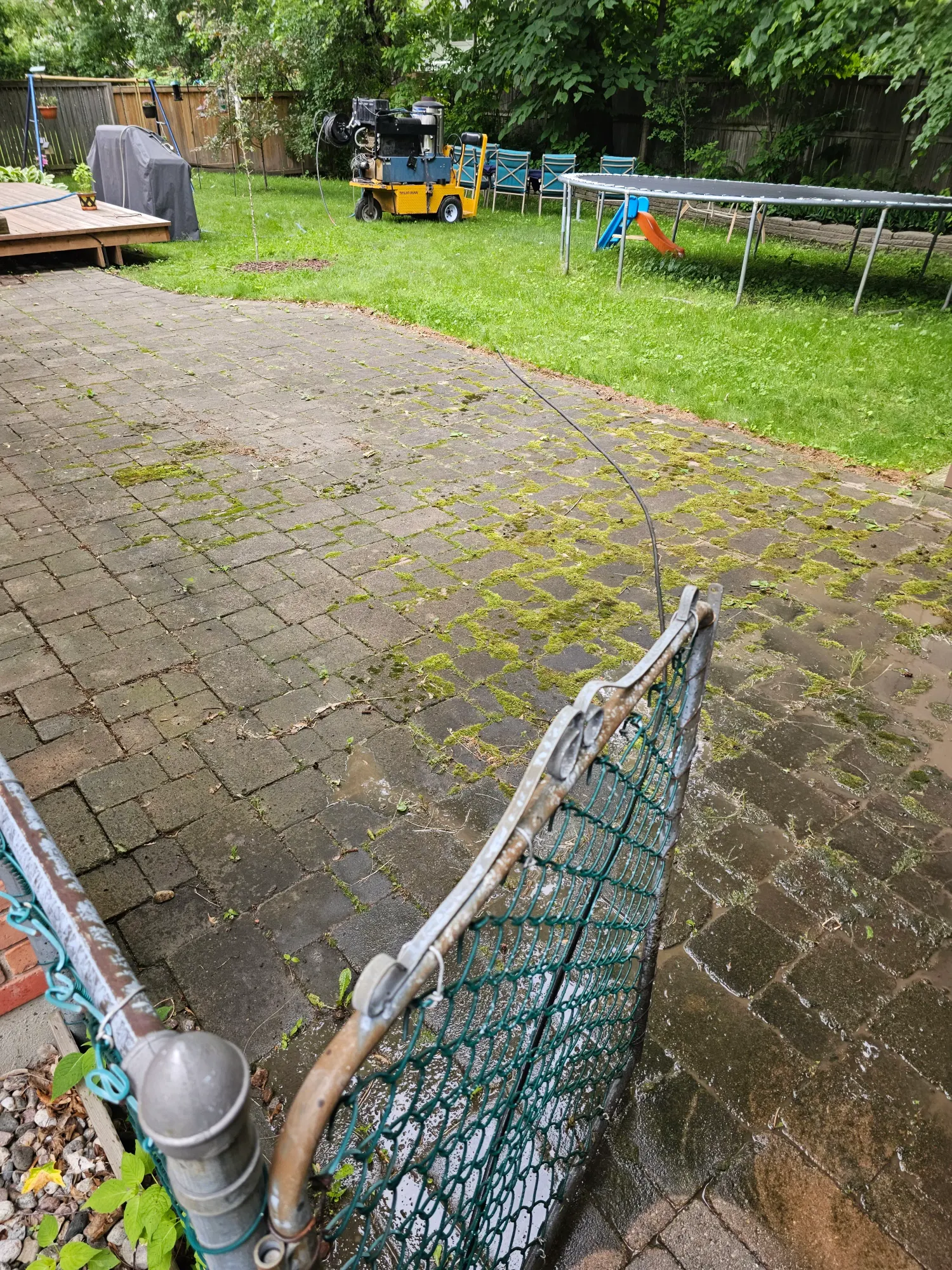
Walkways, curbs & edges →
The cracks and edges where string trimmers tear and chemicals used to go. Saturated steam reaches into the gap and takes the root crown with it.
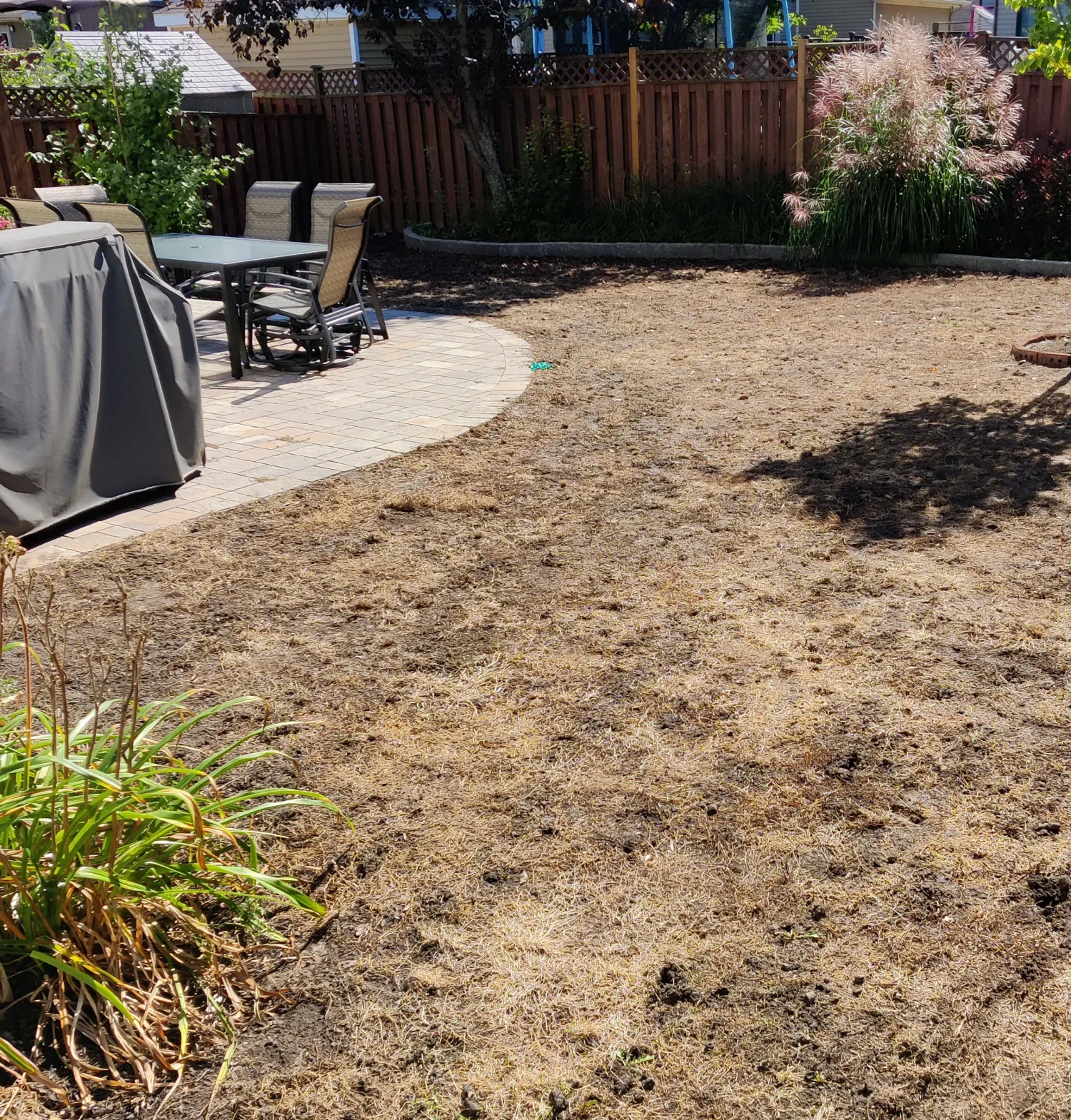
Whole-lawn termination — before a Restart →
When a lawn is too far gone to save, steam terminates the old turf and weeds chemical-free — clean ground for the new lawn, with no waiting period the way a herbicide would demand.
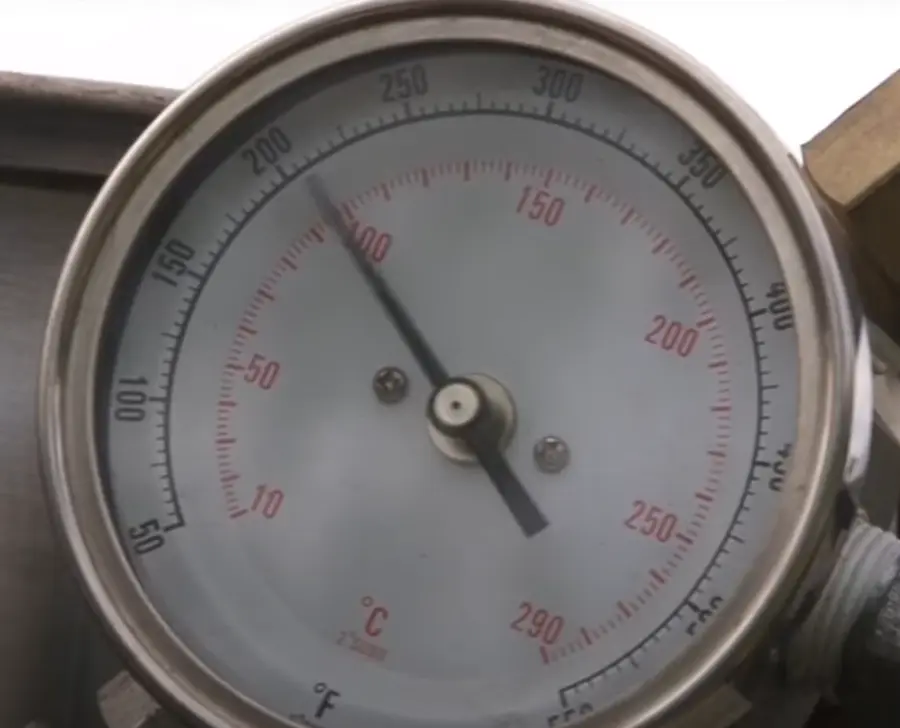
400,000 BTU, verified at the gauge.
The custom-built unit generates commercial volumes of saturated steam at over 100°C — enough heat, delivered fast enough, to take a root crown with the leaf instead of just scorching the surface. Temperature is verified at the gauge on every job.
It's the same reason we run a 24-inch AeraSeeder and commercial surface cleaners: purpose-built tools change what "done properly" means.
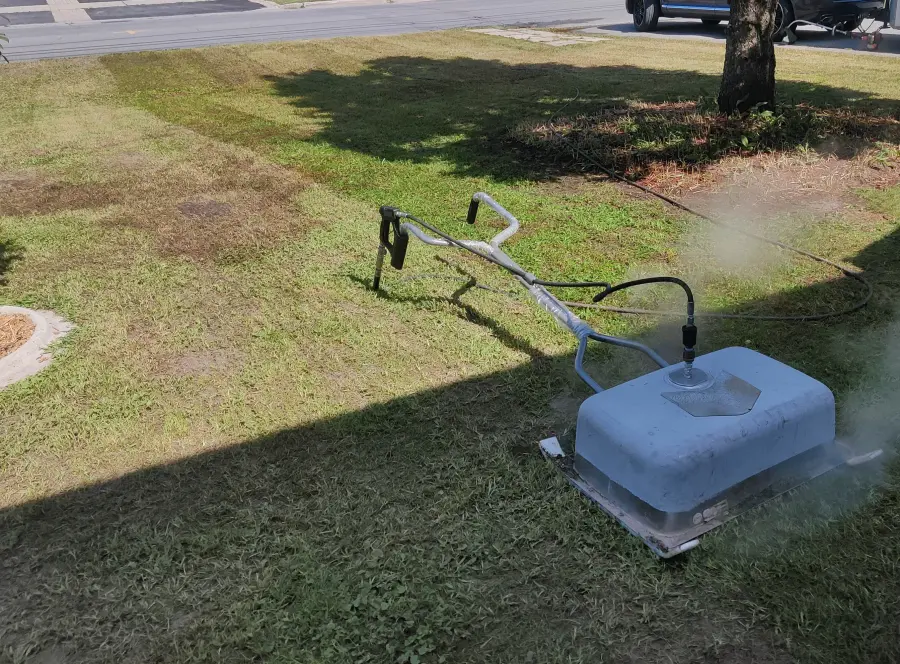
Our interlock weeding is credible because this machine exists.
Anyone can pull weeds from paver joints — they are back in weeks because the root crown stays. Our interlock work starts with the same saturated steam on this page, delivered into the open joint channels, where it kills the exposed roots that most contractors simply sand over. Then the joint is rebuilt with compacted polymeric sand. A locked joint gives the next seed nowhere to root. That is the whole system: steam for the kill, the restoration for the lock.
Common questions.
How do I get rid of weeds between interlock pavers?
Pulling snaps the stem and leaves the root crown in the joint — it is back in weeks. Vinegar and torches burn the leaves and leave the crown as well. The joint-level fix is what we do: saturated steam delivered into the joint collapses the root crown itself. For a lasting result the joint then gets rebuilt — old sand and weeds extracted, fresh polymeric sand compacted in. A locked joint gives the next seed nowhere to root.
Is it really safe for kids, pets and pollinators?
Yes — immediately. The only thing applied to your property is water, as saturated steam at over 100°C. The moment the surface cools (which takes minutes), there is nothing to keep anyone off the lawn or patio. No re-entry intervals, no residue, and no drift.
Does steam kill the roots, or just the leaves?
Saturated steam collapses the plant from the leaf down through the root crown — that is what separates it from string trimming, which leaves the root alive to push regrowth in days. You see the weed wilt within minutes and brown off over the following days.
Will weeds ever come back?
The treated weed dies, but no chemical-free method sterilizes the soil's seed bank. New seedlings that germinate later are shallow-rooted and quick to treat. On interlock, the real long-term defence is the restoration itself — weeds mechanically removed, then fresh polymeric sand compacted into a locked joint that gives seeds nowhere to root.
How is this different from what lawn companies spray?
Ontario banned cosmetic pesticides in 2009. Steam isn't a workaround — it's a better tool for the job: it kills on contact, works in any weather warm enough to grow weeds, and leaves nothing behind but water.
What does it cost?
Steam work is priced by area and access. Most of it is quoted as part of a larger job: for interlock and garden beds, the free on-site assessment covers it; for lawn renovations, it is priced into the plan we agree in advance. Get in touch and we will look at what you are dealing with.